
Canvas is accessible only within New Zealand and Australia.

Canvas is accessible only within New Zealand and Australia.
Competenz is welcoming the Government’s latest budget investment in vocational education and secondary achievement, saying it represents a significant opportunity to strengthen school-to-work pathways, build workforce capability, and help shape New Zealand’s future workforce.
Last week’s Budget announced funding for Industry Skills Boards to develop at least eight new industry-led secondary school subjects, and doubling the students in Trades Academy places – changes designed to strengthen connections between education, industry, and employment opportunities.
Competenz General Manager Learning, Design and Innovation, Pip Walsh, says better connections between school, training, and work have the power to change lives.
“When young people can clearly see the connection between what they learn at school and where it can take them, it opens doors. These investments create a genuine opportunity to strengthen career options, build a long-term skills pipeline, and help more learners discover careers they may never have previously considered.”
Walsh says stronger routes into industry and training are equally important for employers, giving businesses greater confidence to invest in training and build the skilled workforce they need for the future.
“Businesses need confidence that young people are aware of the opportunities available to them and are entering training earlier and with clearer direction. Stronger connections between schools, industry, and employers help create a more visible, reliable talent pipeline – which benefits learners and businesses alike.”
For sectors already facing skills shortages, industry-led pathways and apprenticeships play an important role in building long-term workforce capability and creating sustainable workforce pipelines.
Budget 2026 includes $15 million for Industry Skills Boards to develop at least eight new industry-led secondary school subjects and $69 million to nearly double Trades Academy places to 20,000 by 2030, creating more opportunities for students to explore practical learning while still at school.
Walsh says earlier exposure to industry pathways will help students make more informed choices about their futures.
“We know many young people still leave school unaware of the breadth of careers available to them. Stronger and earlier connections between schools and industry can help students discover pathways earlier, build confidence, and transition more smoothly into employment or further training.
“Training works best when it’s designed around industry needs. Our role is to work alongside businesses to build capability, strengthen workforce pipelines, and support apprentices through training that responds to real employer demand.”
One business already investing heavily in the next generation is Titan Marine Engineering, which currently employs 21 apprentices and has built structured support systems to help learners succeed.
Titan Technical Quality Manager Danny Newland says investing in apprentices is essential for both business sustainability and the future of New Zealand’s marine sector.
“Marine engineering is a future-proof industry. Ninety-nine percent of all goods in New Zealand arrive by sea. Ships need maintaining, systems continue becoming more advanced, and we need skilled people coming through if we want to keep pace with demand.”
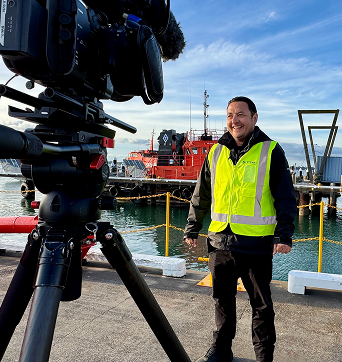
The importance of visibility into vocational careers was highlighted by Titan fabrication apprentice Hyland Foulagi-Koroi, who featured alongside Newland and Walsh in 1News coverage of the Budget announcement. Before entering the industry, he had not realised marine engineering offered a career pathway outside of university.
“That’s something we hear often,” says Walsh. “Young people know about traditional pathways, but many don’t realise industries like marine engineering can offer long-term, highly skilled careers with strong progression opportunities.”
For employers, Walsh says the Budget investment sends an encouraging signal.
“When businesses see investment in vocational education and stronger pathways coming through schools, it gives confidence that training is being recognised as part of New Zealand’s future workforce strategy.”
As industry demand continues evolving, Walsh says collaboration between education providers, schools, and employers will become increasingly important.
“Building stronger pathways isn’t just about education outcomes – it’s about workforce resilience. When learners, schools, and industry are connected earlier, everyone benefits.”

June 8, 2026

Competenz is welcoming the Government’s latest budget investment in vocational education and secondary achievement, saying it represents a significant opportunity to strengthen school-to-work pathways, build workforce capability, and help shape New Zealand’s future workforce.
Last week’s Budget announced funding for Industry Skills Boards to develop at least eight new industry-led secondary school subjects, and doubling the students in Trades Academy places – changes designed to strengthen connections between education, industry, and employment opportunities.
Competenz General Manager Learning, Design and Innovation, Pip Walsh, says better connections between school, training, and work have the power to change lives.
“When young people can clearly see the connection between what they learn at school and where it can take them, it opens doors. These investments create a genuine opportunity to strengthen career options, build a long-term skills pipeline, and help more learners discover careers they may never have previously considered.”
Walsh says stronger routes into industry and training are equally important for employers, giving businesses greater confidence to invest in training and build the skilled workforce they need for the future.
“Businesses need confidence that young people are aware of the opportunities available to them and are entering training earlier and with clearer direction. Stronger connections between schools, industry, and employers help create a more visible, reliable talent pipeline – which benefits learners and businesses alike.”
For sectors already facing skills shortages, industry-led pathways and apprenticeships play an important role in building long-term workforce capability and creating sustainable workforce pipelines.
Budget 2026 includes $15 million for Industry Skills Boards to develop at least eight new industry-led secondary school subjects and $69 million to nearly double Trades Academy places to 20,000 by 2030, creating more opportunities for students to explore practical learning while still at school.
Walsh says earlier exposure to industry pathways will help students make more informed choices about their futures.
“We know many young people still leave school unaware of the breadth of careers available to them. Stronger and earlier connections between schools and industry can help students discover pathways earlier, build confidence, and transition more smoothly into employment or further training.
“Training works best when it’s designed around industry needs. Our role is to work alongside businesses to build capability, strengthen workforce pipelines, and support apprentices through training that responds to real employer demand.”
One business already investing heavily in the next generation is Titan Marine Engineering, which currently employs 21 apprentices and has built structured support systems to help learners succeed.
Titan Technical Quality Manager Danny Newland says investing in apprentices is essential for both business sustainability and the future of New Zealand’s marine sector.
“Marine engineering is a future-proof industry. Ninety-nine percent of all goods in New Zealand arrive by sea. Ships need maintaining, systems continue becoming more advanced, and we need skilled people coming through if we want to keep pace with demand.”
The importance of visibility into vocational careers was highlighted by Titan fabrication apprentice Hyland Foulagi-Koroi, who featured alongside Newland and Walsh in 1News coverage of the Budget announcement. Before entering the industry, he had not realised marine engineering offered a career pathway outside of university.
“That’s something we hear often,” says Walsh. “Young people know about traditional pathways, but many don’t realise industries like marine engineering can offer long-term, highly skilled careers with strong progression opportunities.”
For employers, Walsh says the Budget investment sends an encouraging signal.
“When businesses see investment in vocational education and stronger pathways coming through schools, it gives confidence that training is being recognised as part of New Zealand’s future workforce strategy.”
As industry demand continues evolving, Walsh says collaboration between education providers, schools, and employers will become increasingly important.
“Building stronger pathways isn’t just about education outcomes – it’s about workforce resilience. When learners, schools, and industry are connected earlier, everyone benefits.”


%20(1).png)
%20(2).png)
%20(1).png)
